Product Advantages
Designed Structural Integrity and Material Consistency
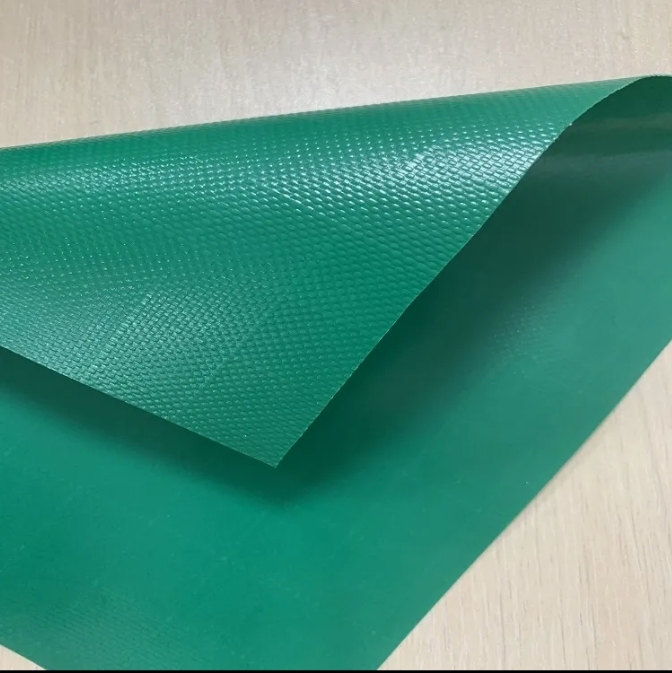
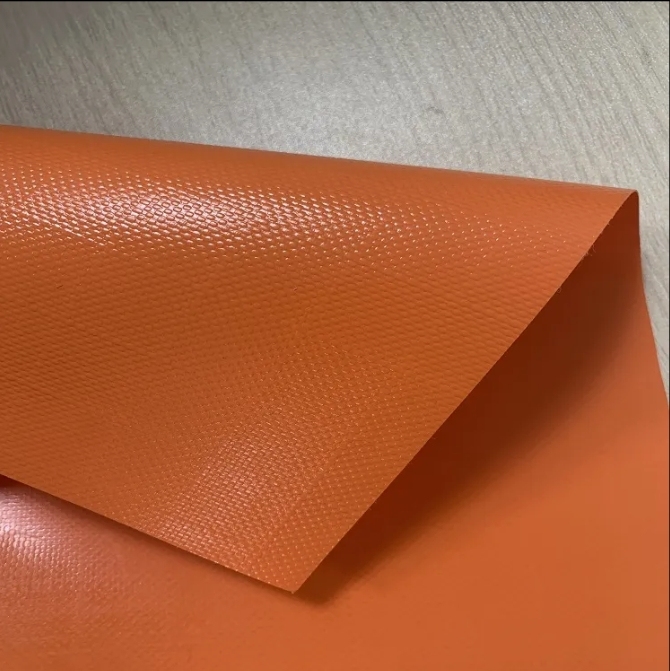
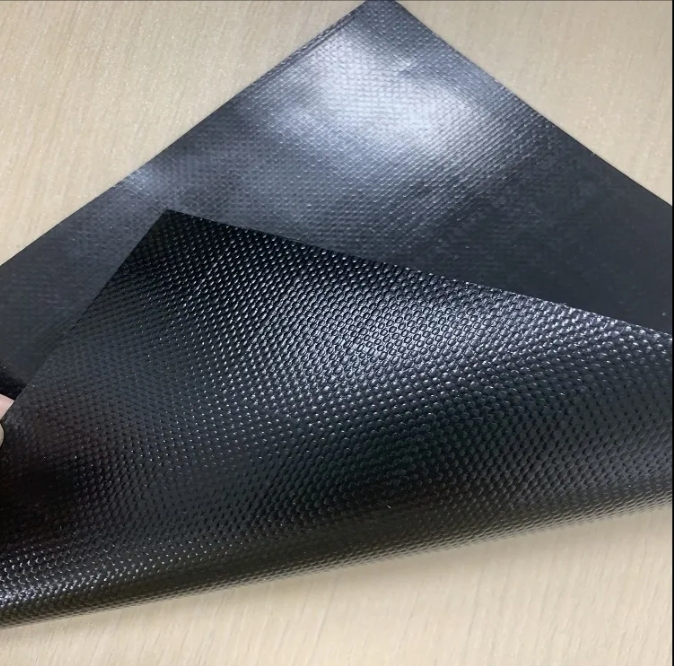
Our 18 oz vinyl tarp material features a ripstop weave pattern that structurally reinforces the fabric, significantly reducing the risk of tear propagation under stress. This design advantage is coupled with a proprietary PVC formulation developed by a leading ripstop vinyl fabric manufacturer, which uniformly enhances cold resistance down to -40℃ and UV stability. The vertical integration of raw material sourcing and manufacturing enables stringent quality control and batch-to-batch consistency, ensuring reliable fabric performance. Moreover, the material’s uniform width and roll length specifications support standardized production workflows, minimizing input variability.
Operational Performance and Maintenance Efficiency
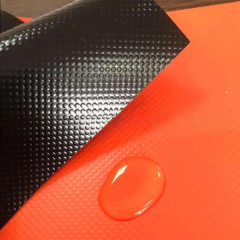
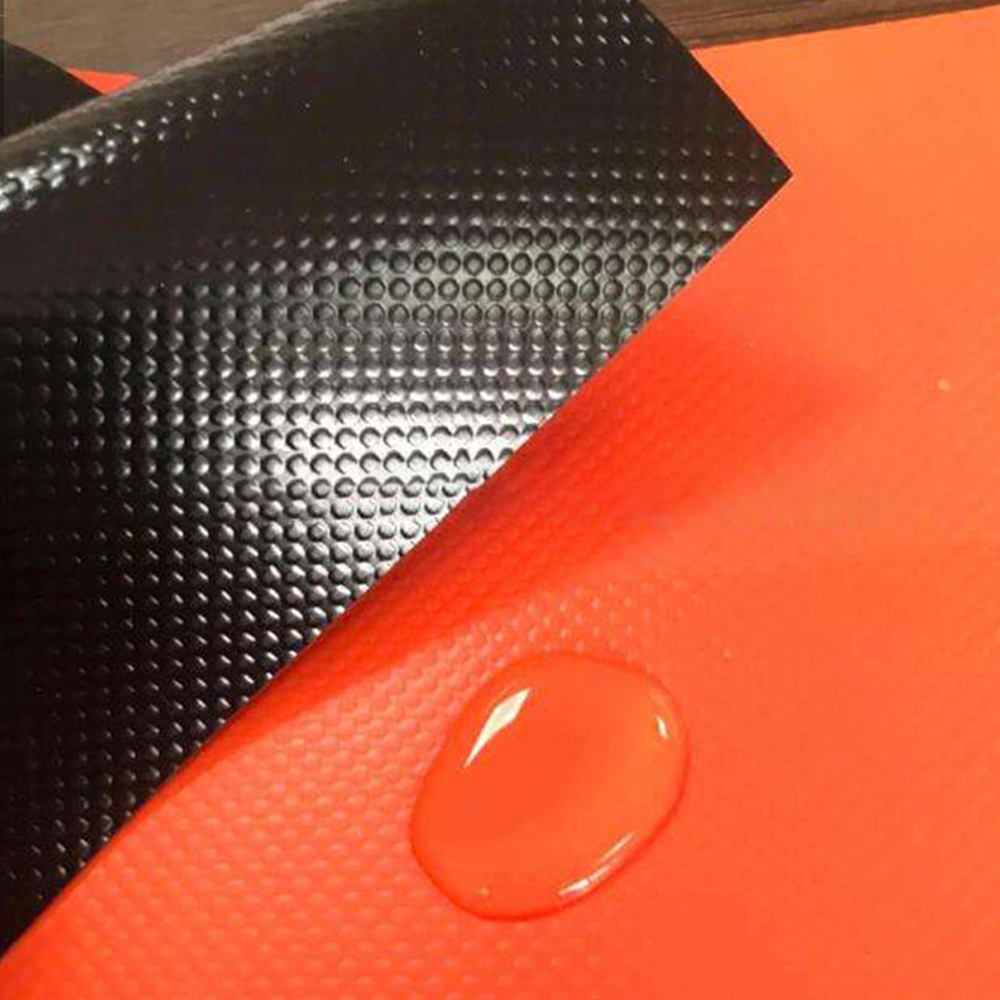
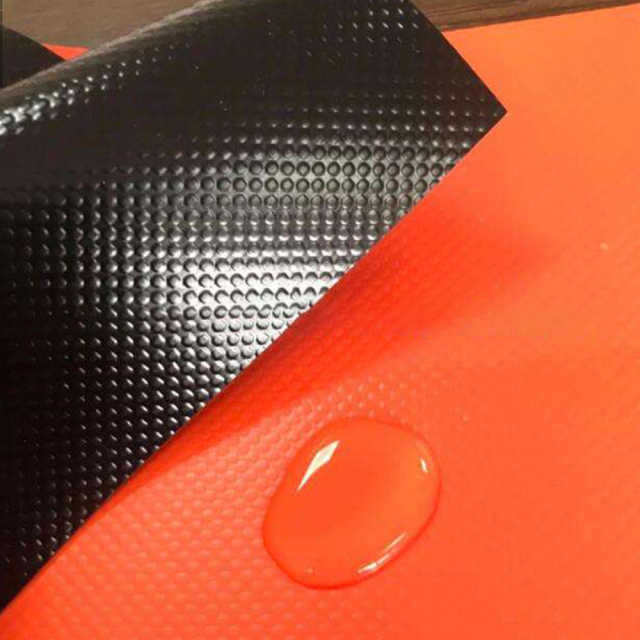
The waterproof vinyl coating on this ripstop vinyl coated polyester fabric delivers robust resistance to water ingress and environmental contaminants such as oil and mildew. This confers long-term usability with reduced maintenance cycles for end users. The fabric’s high abrasion resistance reduces premature wear, contributing to cost efficiency across transportation and industrial environments. Its ease of cutting and handling by manufacturing teams streamlines integration into customized flatbed truck tarp fabric assemblies and other protective cover systems. These features provide end users with a balance of durability, performance, and operational reliability aligned to stringent industrial standards.
Product Overview
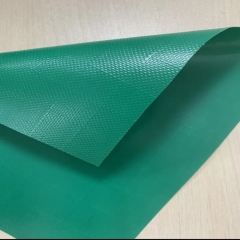
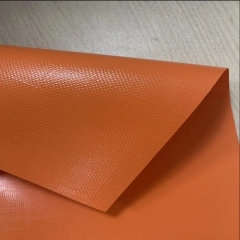
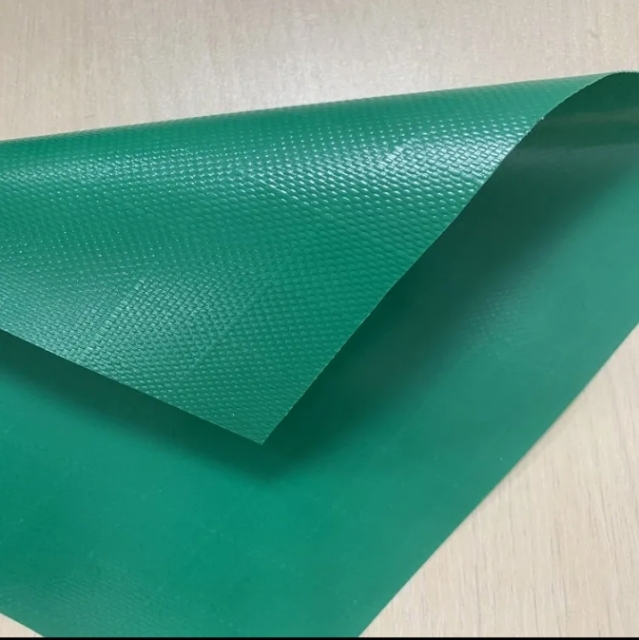
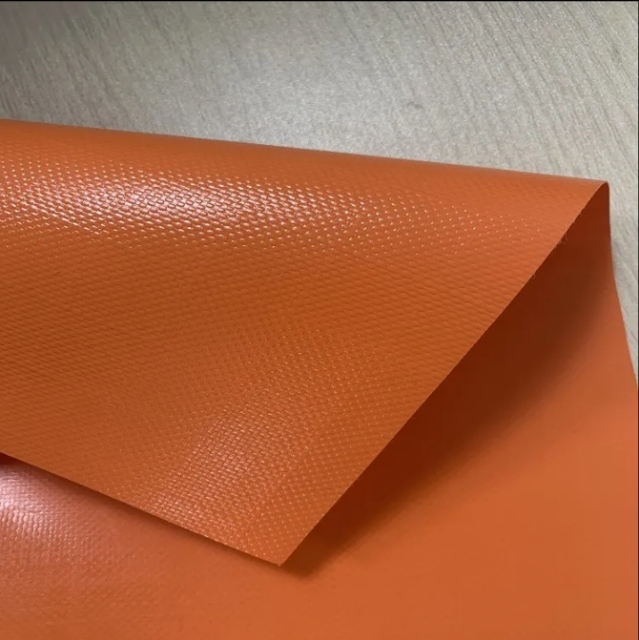
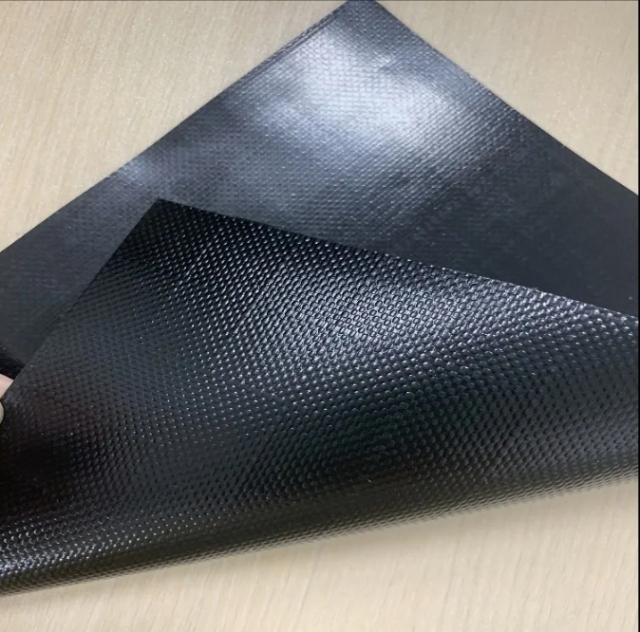
Heavy duty 18 oz ripstop vinyl tarp material for flatbed truck tarp. Ripstop coated vinyl fabric is waterproof and has extreme UV and strong tear resistance. Superior UV resistance. Resists oil, grease and mildew. Ideal for commercial flatbed truck tarps, boat dock cover, construction tarp, industrial curtains, baggage cart curtains and canopy tarps.
Specifications
- Fabric Type: Rip-Stop Vinyl Coated Polyester
- Fabric Weight: 18 oz / sq. yd. Waterproof.
- Fabric Width: 61 in.
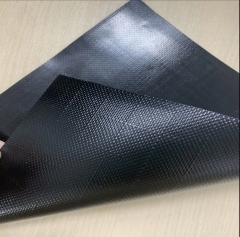
- Ripstop weave. Superior tear resistance
- UV Resistant: Outstanding UV resistance. Suitable for high UV areas such Florida, California, Arizona.
- Abrasion resistant and tear resistant.
- This 18 oz vinyl tarp material is fabric by yards or rolls. No Grommets or hems installed.
- Maximum continuous yards per roll is 100 for solid colors and 50 for camouflage colors.
Q: What is the difference between ripstop vinyl coated polyester and regular vinyl coated polyester?
A: Ripstop vinyl coated polyester has the special ripstop weaving and is more tear resistant. Ideal for truck tarps and baggage cart and luggage cart curtains.

Use Scenarios
Protective Covers in Transport and Logistics
Within the transport and logistics industry, our ripstop vinyl coated polyester fabric functions as the core material for flatbed truck tarp fabric, protecting freight from environmental exposure and mechanical damage. Its waterproof and UV-resistant properties ensure compliance with safety regulations while enhancing asset preservation under diverse weather conditions. The fabric's ripstop construction prevents tear proliferation during loading and unloading operations, maintaining integrity and reducing replacement costs. Integration into existing flatbed fabrication lines allows efficient adoption and quality assurance for logistics service providers focused on operational continuity and cargo safety.
Industrial Environmental Control and Site Protection
In construction and industrial plant operations, this 18 oz vinyl tarp material is a preferred choice for manufacturing construction tarps and industrial curtains. It shields machinery and work areas from dust, moisture, and sunlight, helping to maintain controlled environments essential for worker safety and equipment durability. Its rigidity and tear resistance provide resilience against abrasive interactions with construction debris and mechanical movement. When deployed as canopy tarps or protective covers, the fabric supports regulatory compliance for site safety and environmental control protocols, seamlessly integrating into facility management and workflow systems.
What makes your ripstop vinyl coated polyester fabric different from other vinyl fabrics?
Our ripstop vinyl coated polyester fabric features a specialized ripstop weave combined with vinyl coating, enhancing tear resistance and waterproofing beyond standard vinyl-coated polyester fabrics. This makes it ideal for demanding industrial applications requiring durability and long outdoor lifespans.
Can I order this fabric with pre-installed grommets or hems?
We sell our 18 oz vinyl tarp material strictly as fabric only, without grommets or hems. This allows you flexibility to customize finishing according to your specific project needs using your own installation methods or workshops.
What roll lengths are available for solid and camouflage colors?
For solid colors, we provide rolls up to 100 yards, while camouflage color rolls come in lengths up to 50 yards. This ensures you can source the right quantity of vinyl coated polyester fabric depending on your operational scale or project size.
How should I care for and maintain tarps made with your vinyl-coated polyester fabric?
To maintain durability and waterproofing of tarps made from our ripstop vinyl fabric manufacturer material, we recommend regular cleaning with mild soap and water, avoiding harsh chemicals that could degrade vinyl coatings. Proper storage away from prolonged UV exposure when not in use also extends lifespan.
Eighteen ounces per square yard, a ripstop grid running through the polyester base, and 61 inches of usable width — those three numbers decide what this fabric can be built into. Workshops run it as the outer skin of commercial flatbed truck tarps, boat dock covers, construction tarps, industrial curtains, baggage cart curtains and canopy tarps, where a cover is dragged, tensioned and folded every working day.
The weight puts it in heavy-duty territory rather than light screen stock. It hangs with body, holds a firm tension across a flatbed without ballooning, and takes the daily folding that a thin coated vinyl will not. It also lies flat and cuts cleanly on a table, so a panel can be trimmed and stacked without the fabric wandering under the blade.
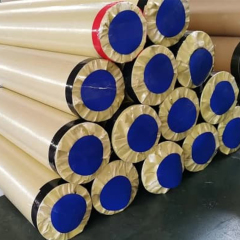
Supply is by the yard for trials and repair stock, or by the roll for a production run. Where a cover is more likely to be pierced and pulled than scuffed, this coated ripstop is the practical pick over pvc laminated tarps, whose strength sits in the laminate rather than in a tear-arresting grid. Because the width and the roll specification stay constant, a tarp manufacturer can set a cutting plan once and keep it.
| Fabric type | Ripstop vinyl coated polyester, knife coated |
| Weight | 18 oz per square yard |
| Usable width | 61 in |
| Base | Polyester weave with ripstop grid |
| Coating | PVC, waterproof |
| UV performance | High UV resistance, suited to high-sun regions |
| Chemical resistance | Resists oil and grease |
| Mildew | Mildew resistant |
| Cold resistance | Specified to -40 °C for this PVC formulation |
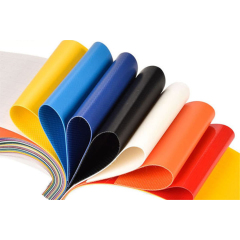
| Colour families | Solid and camouflage |
| Supply format | Fabric only, by the yard or by the roll |
| Fittings | No grommets or hems installed |
| Reference | No.V2022022 |
Where a narrower roll forces a lengthways join down the middle of a side curtain, this 61-inch width lets the panel come off in one piece. That is the practical benefit: one cut, one panel, no seam running vertically through the area that takes the most wind and handling. Check the figure against your seam allowance before you commit, because a folded hem or a welded lap takes its own share off each edge.
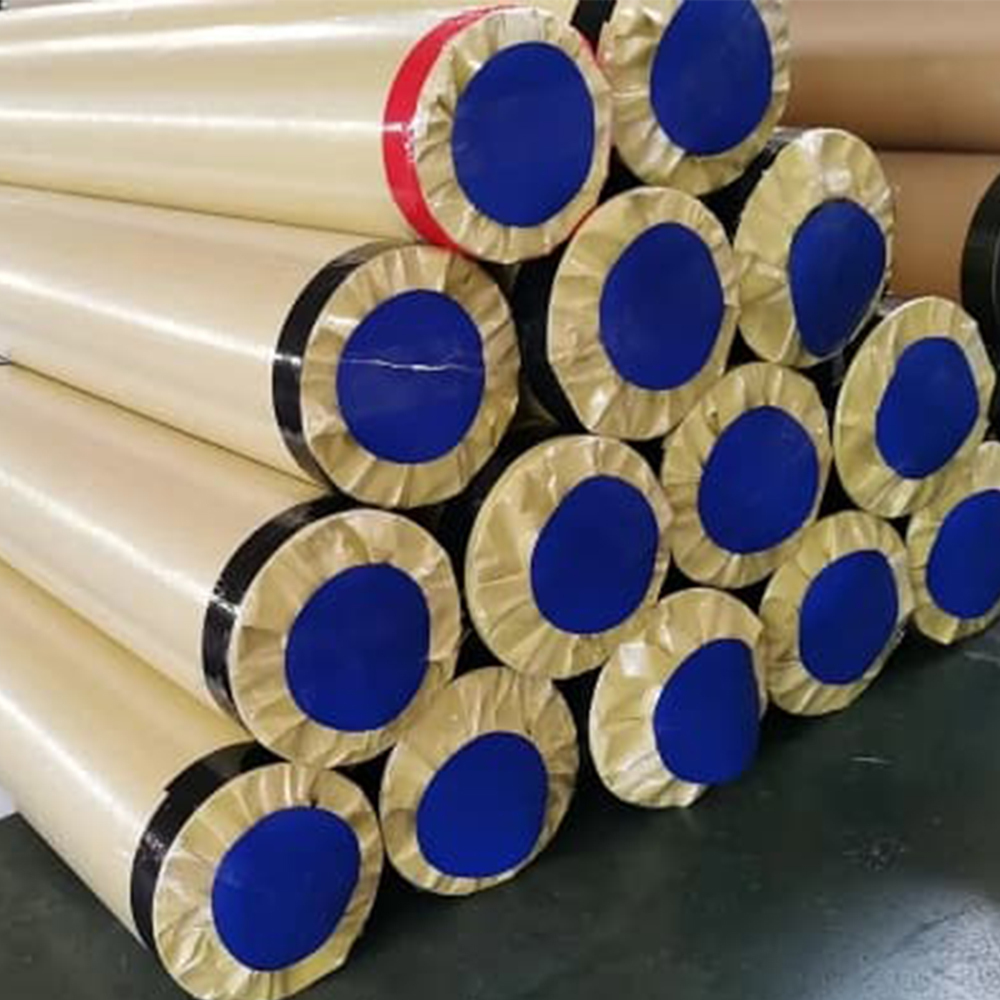
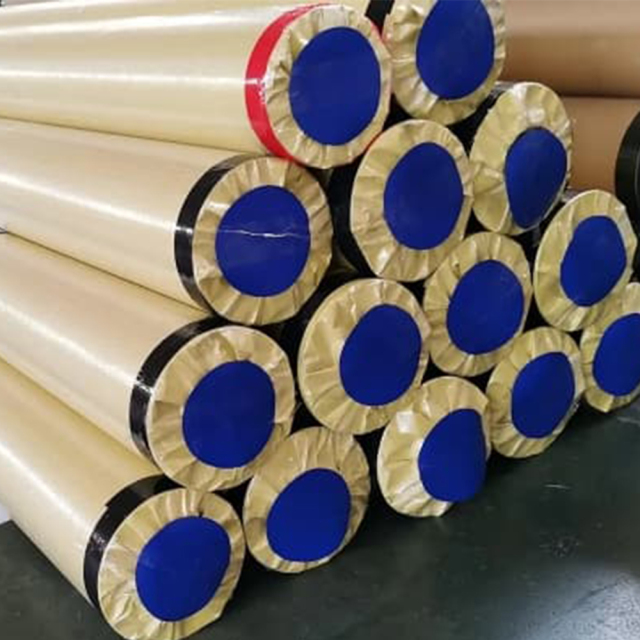
Buying by the yard suits trials, colour approval and repair stock — enough to build a sample cover, run a weld test and keep a patch roll on the shelf. Buying by the roll suits production and wholesale tarp programmes: the length arrives continuous, so a run of covers can be planned from one delivery without a mid-run join.
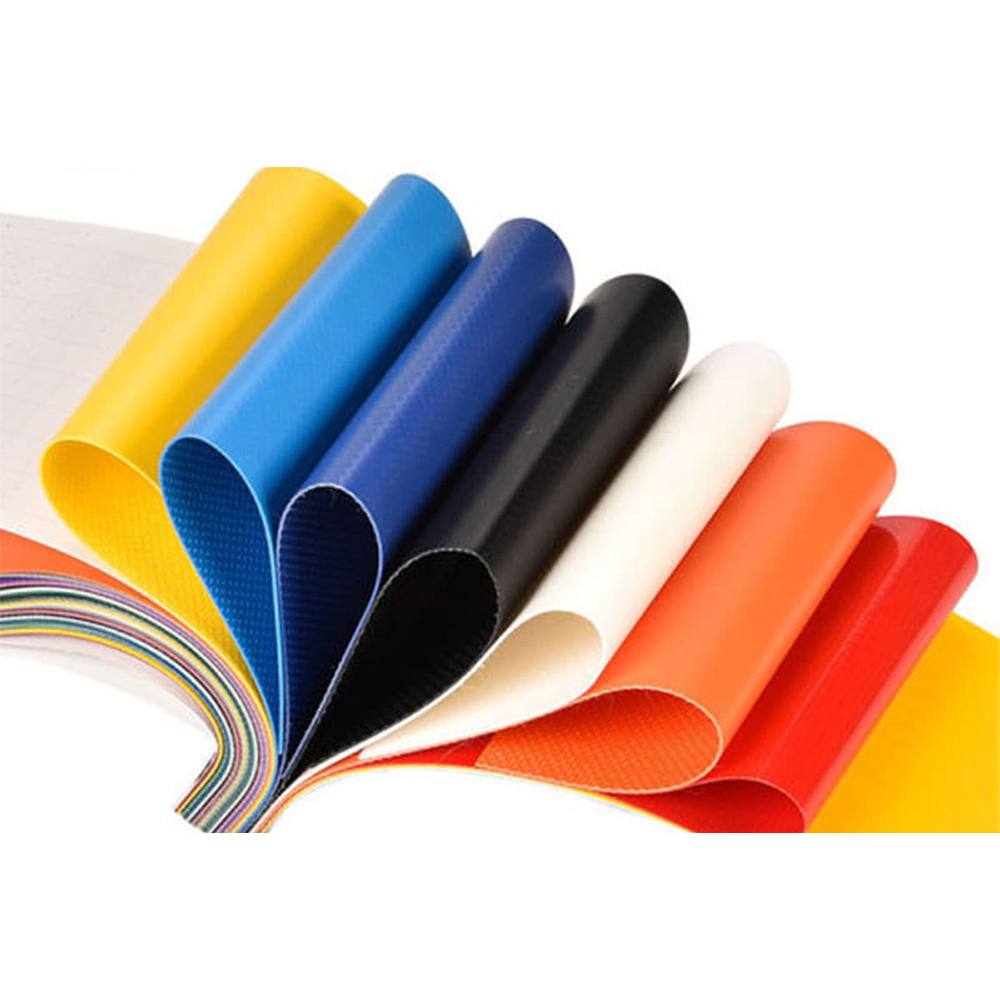
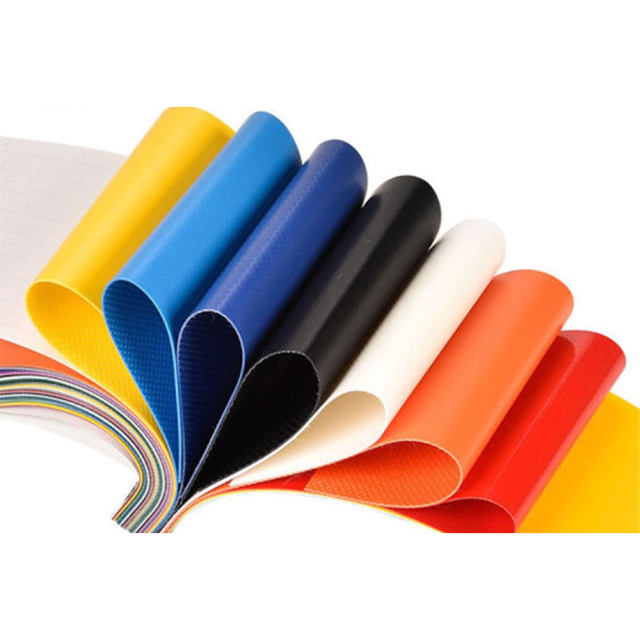
Colour is the other half of the decision. Solid shades are the usual choice for fleet covers where a consistent finish matters; camouflage is chosen where a cover sits in the open and scuffing shows. Roll runs differ between the two colour families, and the team can tell you what is available for the shade and quantity you need.
If your programme also covers other constructions, we run them from the same plant, so a mixed order can be quoted as wholesale pvc laminated tarps quantities alongside this roll rather than split across two suppliers.
A full flatbed cover cut from this roll is a two-person lift, and that single fact shapes how a crew plans a shift. At 18 oz per square yard the fabric has body — it does not drape and collapse into itself the way a light screen does. One person can open it along the deck while a second takes the far edge and walks it back; on a windy day that second pair of hands stops being optional, because an open panel of this weight catches air and pulls out of a single grip.
The cost of the weight is time and hands. A 61-inch panel is easy to carry while it is still rolled; once it is spread out, role it takes two people and often three when the wind is up. Crews that deploy the same cover four or five times a day learn to work with it rather than against it: open it downwind, walk the far edge back instead of dragging the whole sheet, and fold in thirds along the deck so the final lift is short. Folded, a cover in this weight takes real space on the catwalk or behind the cab — a small point until a driver has to stow it twice a shift.
Where the weight pays back is on covers that stay put. Tensioned over a load and tied down, the finished waterproof tarp sits flat, so fewer ties hold the same span and a grommet is less likely to work loose over a long run. The same body lets a panel be dragged across a deck, a dock edge or a stake pocket without the face scuffing through, which is the wear a thinner sheet gives up on first.
High-cycle work goes the other way. Curtains on baggage carts, screens taken down every evening, small yard panels one person has to manage alone — these are better served by the 12 oz ripstop in the same range. It carries the same grid, so a puncture still stalls at a line, but a single operator can carry, throw and fold it without the fatigue that ends a shift in sloppy tie-downs.
Four questions settle the choice for most crews: how big is the finished cover, how many times a day does it go on and come off, how many people are on the deck when it does, and does the cover sit tensioned in wind or hang slack. Large, tensioned, low-cycle covers justify 18 oz; small, slack, high-cycle covers are easier on a crew at 12 oz. Where a fleet runs both, a yard or two of each weighed in the hand before a roll order is the cheapest test there is — a tarp manufacturer building custom tarps for mixed trailers usually keeps both weights on the cutting table for exactly that reason.
Technical consultants with 25 years of industry expertise lead our engineering team at VECTUS. You can discuss your requirements with a team that has designed and implemented projects domestically and abroad. On the production floor, our seamstresses bring an average of 8.6 years of hands-on practice. We also maintain in-house raw material control to support our production operations.