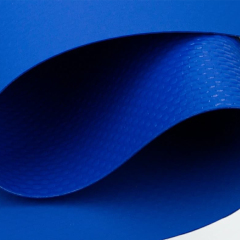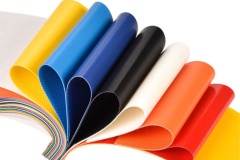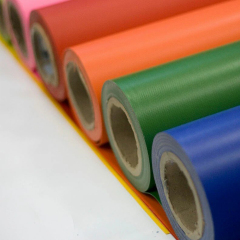
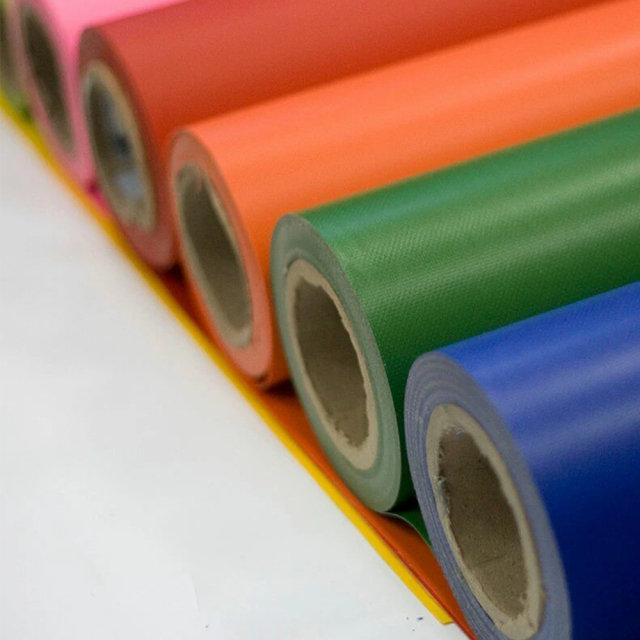
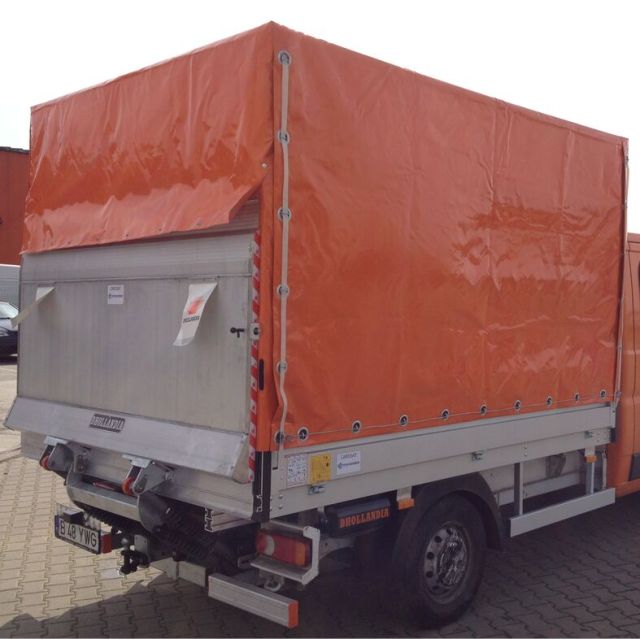
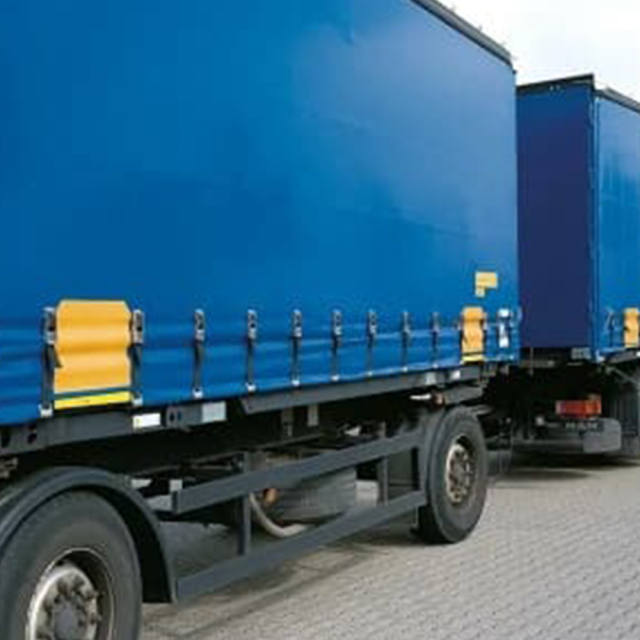
650gsm Heavy duty coated tarps
Product Advantages
tructural and Design Engineering Enhancements
The 650gsm Heavy Duty Coated Tarps integrate sophisticated material layering and coating systems tailored by experienced heavy duty tarp manufacturers. The design incorporates a reinforced polyester base fabric combined with a high-performance PVC coating, optimizing tensile strength and dimensional stability. This approach delivers resistance to mechanical stress while maintaining flexibility for complex installations. Custom waterproof tarps offerings include finishings such as matte, glossy, or semi-matt, enhancing surface functionality according to client requirements. The ability to fabricate these tarps with precise welding methods further exemplifies system-level integration, supporting modular applications and simplifying large-scale deployment for wholesale tarp purchasers.
Operational Performance and User-Centric Value
These heavy duty coated tarps excel in operational environments where reliability and ease of handling are paramount. Their weight and tactile properties enable rapid deployment without compromising durability. The waterproof tarp fabric sustains prolonged UV and chemical exposure, reducing maintenance costs and ensuring consistent performance. Additionally, the product’s compatibility with standard welding equipment streamlines sealing processes, accelerating production workflows. For commercial users, the availability of wholesale heavy duty tarp quantities allows cost-effective procurement while guaranteeing batch consistency and performance reliability critical for long-term projects.
Strong Construction:
With heavy Duty Thick and Durable fabric.
Anti-tearing
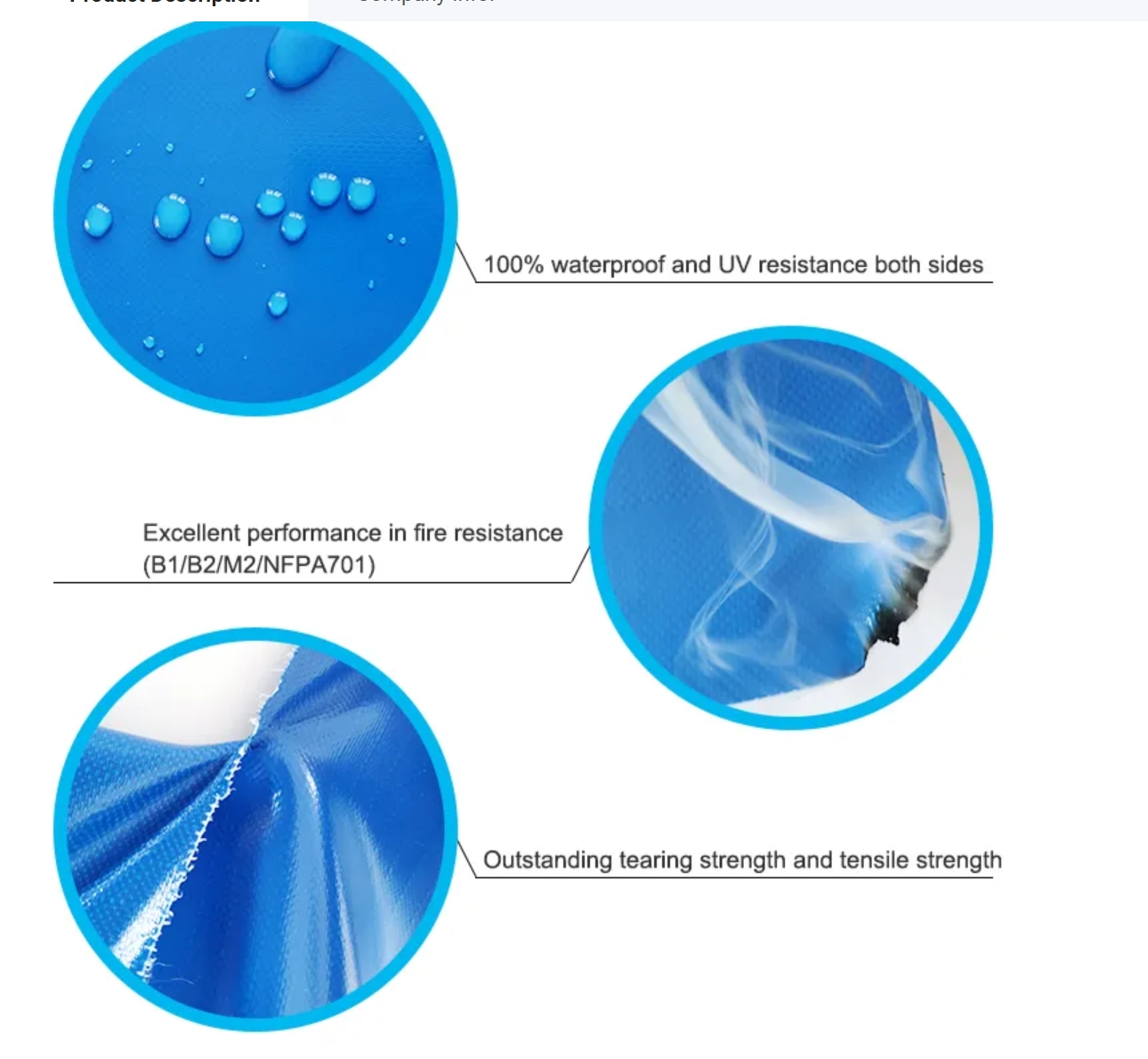
High strength, excellent quality stability and self-cleaning of surface, anti-aging and various weather resistance
performance Material: PVC and polyester yarn base cloth
Pattern:Laminated and coat Regular Weight:350gsm~1500gsm
Different thickness Regular Polyester:200D*300D/ 500D 9*9/500D 18*17/, etc Width:1.0M-1.83M
Temperature Resistance: -30ºC-70ºC
Flame Retardant: B1, B2, M1, M2, NFPA-701, CAPI-84 Optional Finishing:Glossy,matt, semi-matt
Eco Friendly: 6P free or REACH & RoHs compliance
Application
Protective Covers for Heavy Equipment in Construction
In construction and heavy machinery operations, robust protective barriers are essential to safeguard equipment from environmental hazards. The 650gsm Heavy Duty Coated Tarps serve as durable, waterproof tarp solutions to shield excavators, cranes, and other machinery from dirt, rain, and UV damage. Their high tensile strength and certified fire retardancy provide compliance with workplace safety regulations. The tarps integrate efficiently into maintenance schedules, enabling quick coverage and removal as operational needs dictate, minimizing equipment downtime. Construction managers relying on wholesale tarp supplies benefit from consistency in material performance and peace of mind regarding asset protection under demanding site conditions.
Agricultural and Transportation Industry Applications
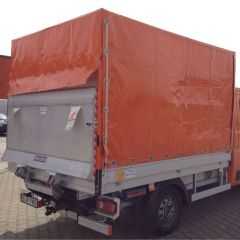
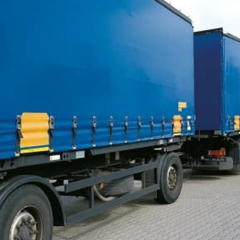
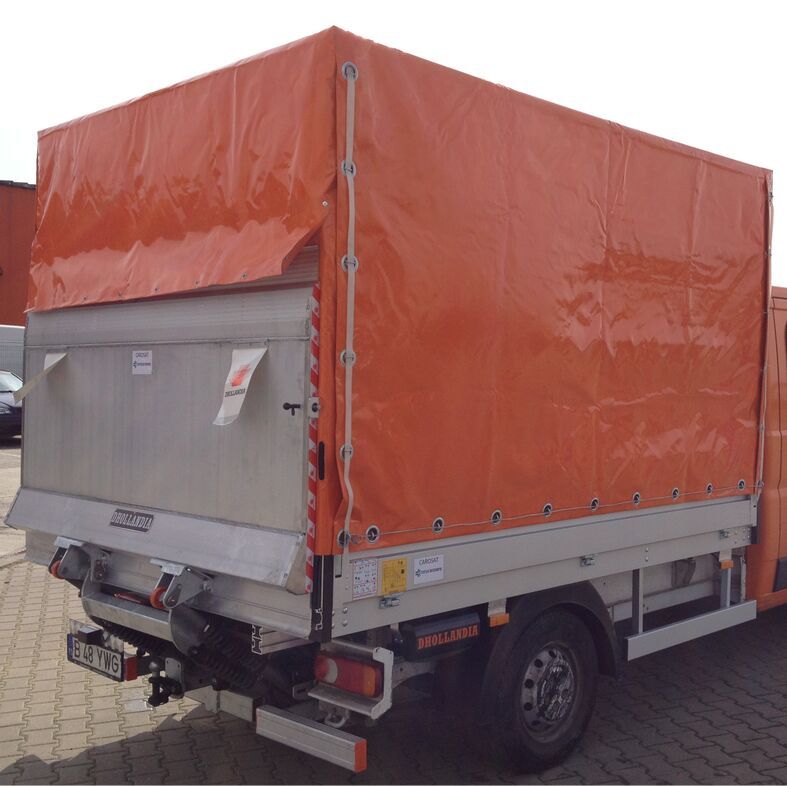
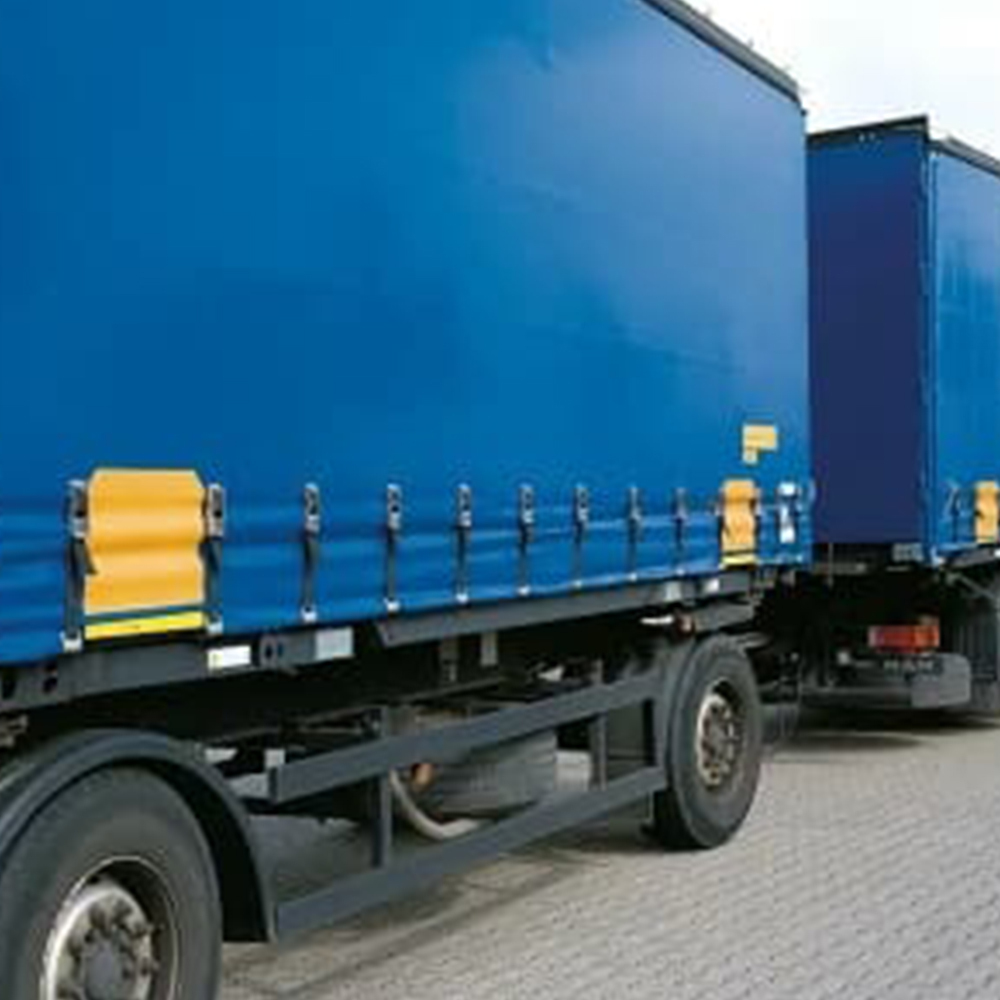
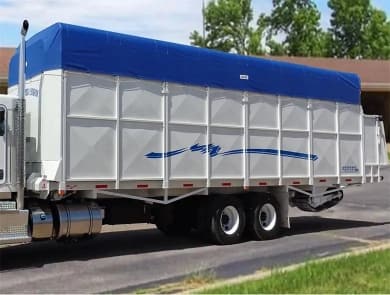
Within agricultural settings and cargo transportation, these custom waterproof tarps offer critical protection for stored goods and haulage units. Their resistance to temperature fluctuations and abrasion ensures materials such as silage, hay, and palletized goods remain uncontaminated and dry. Truck and lorry operators utilize these heavy duty coated tarps as reliable weatherproof tarps to meet stringent regulatory standards for load coverages. The product’s weldability facilitates custom-sized covers tailored to diverse equipment, streamlining integration into inventory management. Wholesale heavy duty tarp procurement supports large-scale agricultural and transport businesses with high-volume, quality-assured supply chains, optimizing operational efficiency and asset preservation.
What materials are used in your 650gsm Heavy Duty Coated Tarps?
Our tarps combine high-strength polyester yarn with durable PVC coatings, delivering a heavy-duty 650gsm fabric. This blend offers excellent resistance to tearing, weather, and UV exposure, ensuring long-lasting performance for various industrial applications.
Can I order custom colors for your waterproof tarps?
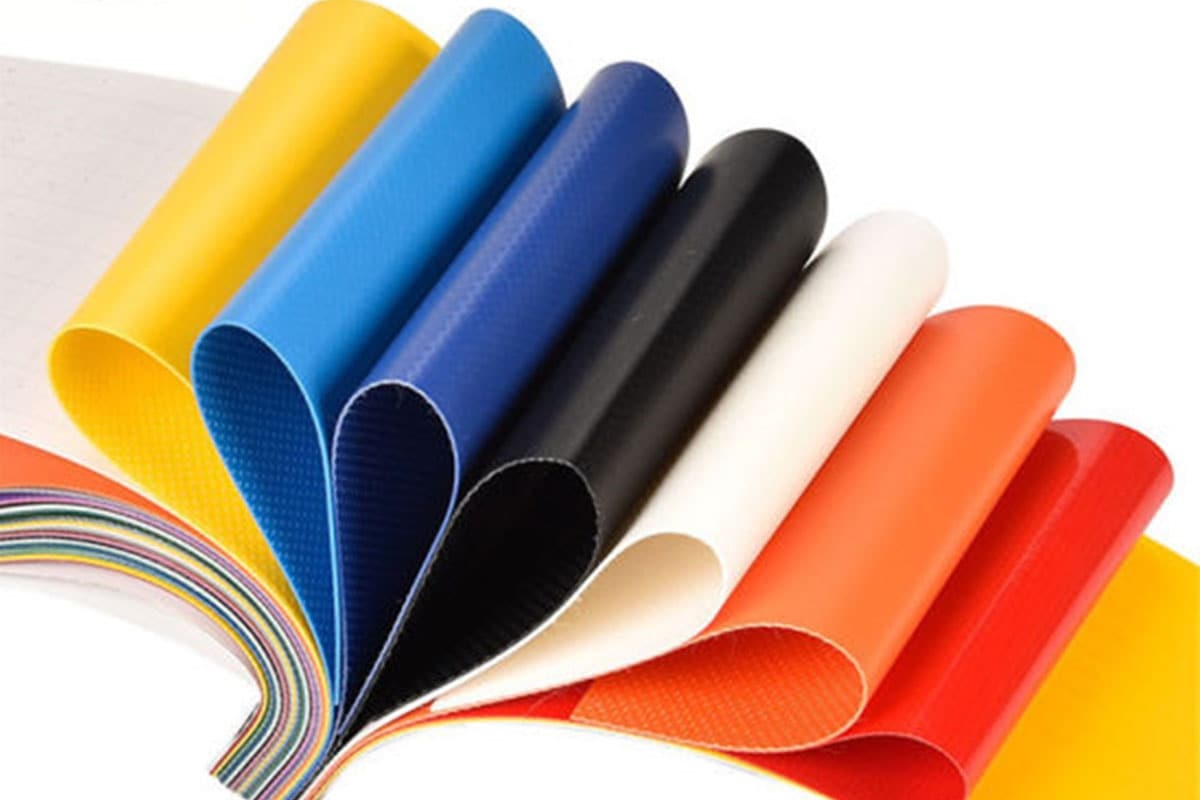
Yes, we provide custom waterproof tarps with precise color matching using automated technology. You can select from glossy, matt, or semi-matt finishes to meet your project requirements, ensuring your heavy duty coated tarps fit your branding and functional needs.
Are your heavy duty tarp products suitable for welding and sealing?
Absolutely. Our tarps are fully compatible with both hot air welding and high-frequency welding machines, enabling strong, durable seals. This ensures your heavy duty coated tarps maintain waterproof integrity and mechanical strength during use.
What logistics and support services do you offer for wholesale tarp orders?
We maintain a European service network with technical teams fluent in German, English, and Polish to support your needs. For wholesale tarp orders, especially large shipments, we provide professional inspection reports and rapid response to issues during usage.
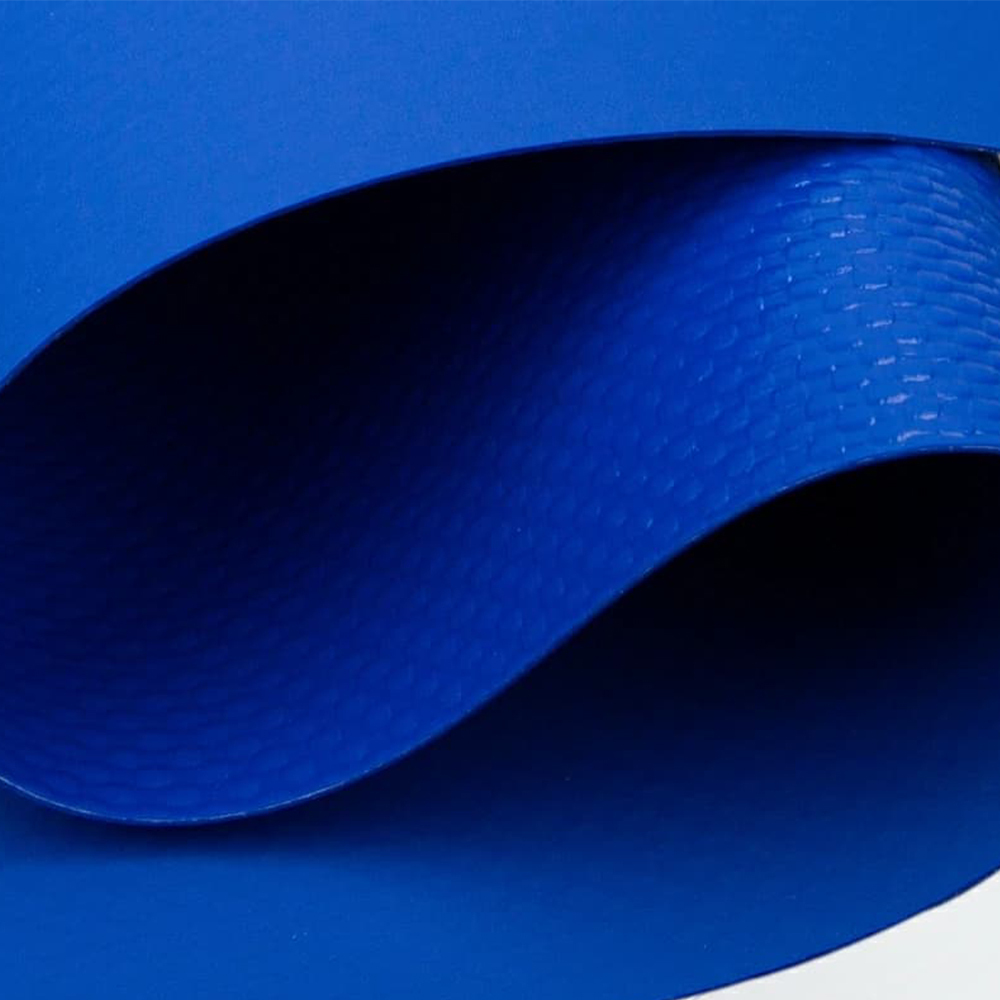
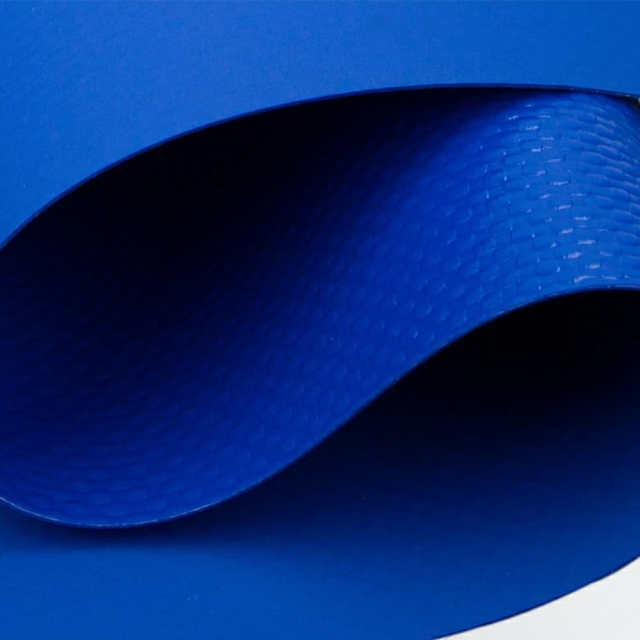
A 650 gsm PVC coating spread over a high-strength polyester base cloth is what gives these heavy duty coated tarps their working character: firm enough to hold a flat surface across a frame, a load or a machine, still supple enough to fold, roll and weld on site. The coating covers both faces of the base cloth, so the sheet stays 100% waterproof from either side and the polyester core remains dry even when the outer skin is scuffed.
Weight and hand feel matter as much as the headline number. The sheet drapes and deploys quickly without the floppiness of a light tarp, so two people can cover a machine or a trailer bed without wrestling the material into place. UV exposure, chemical splash and repeated folding are what normally end a cover's life, and the coating is built to resist all three — it stays supple in sun, shrugs off acid, alkali and alcohol splash, and keeps its surface sealed after weathering, which is why a waterproof tarp of this weight stays in service for years rather than a season.
Fabricators and cover makers cut and weld the sheet into finished covers, contractors keep it for site protection and repairs, and distributors hold it as a wholesale tarp line for resale. Colour, finish and coated weight are all selectable, so one material family covers everything from an equipment cover to a branded load sheet.
Buyers comparing heavy duty tarp manufacturers usually start with the base cloth, and it is the part we control before any coating goes on. Liquid PVC is spread evenly across the polyester and cured, which is why the surface comes out smooth and the coating thickness holds steady from edge to edge. Beneath it sits high-strength polyester yarn in a range of build weights, and the line also runs laminated constructions where a film is bonded to the base rather than coated onto it.
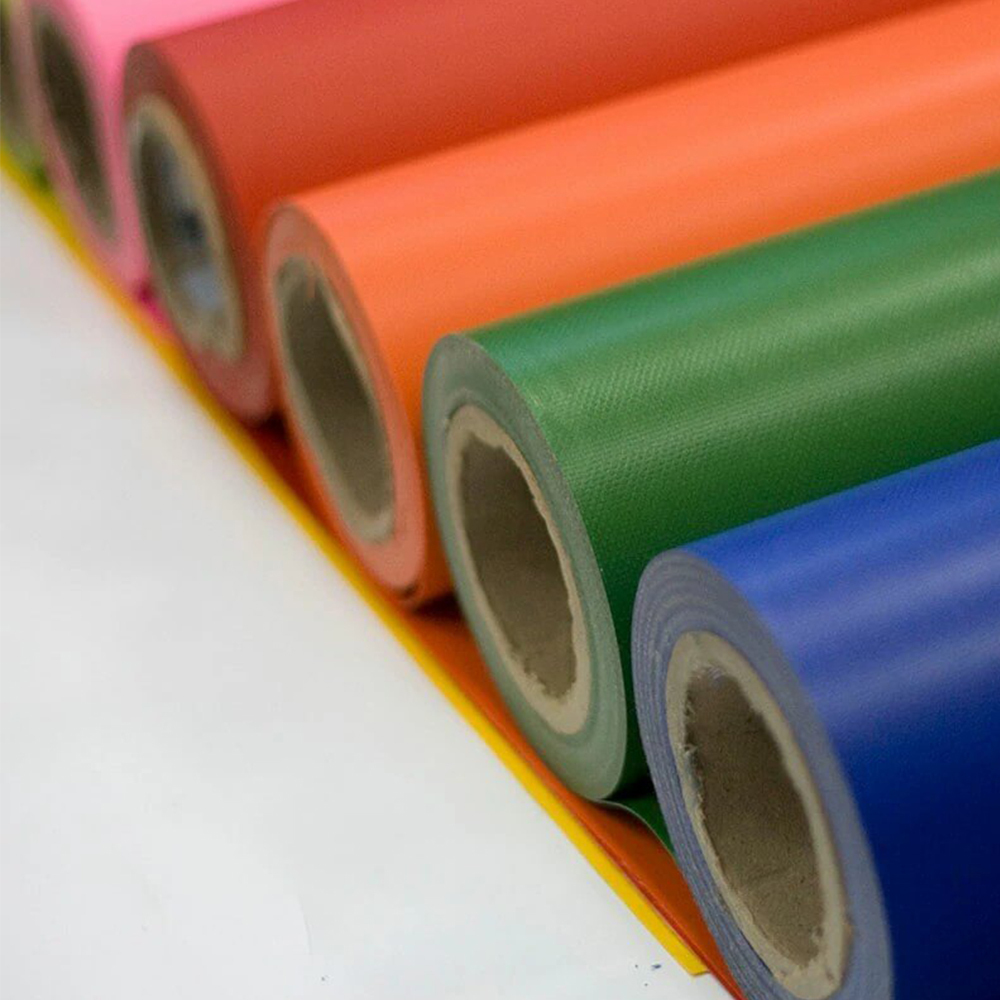
Coated weight is what changes how the sheet behaves: heavier builds hold a flatter surface and take more abrasion, while lighter builds fold smaller and are easier to handle overhead. Roll width does the same for seams — the wider the roll, the fewer seams a finished cover needs and the less fabric goes to offcuts.
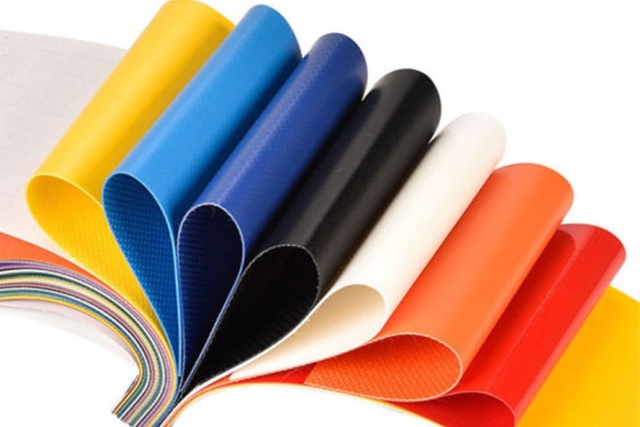
That flexibility is what custom waterproof tarps are about in practice. Colour is matched to a Pantone number, an RAL number or a physical sample on automated colour-matching equipment, so a repeat order comes back in the same shade rather than close to it. Surface treatment using acrylic or PVDF techniques tightens the coating and raises hardness, which is where the smooth, easy-clean face comes from.
Standard builds are rated from -30 °C to 70 °C, flame-retardant grades are offered to B1, B2, M1, M2, NFPA-701 and CAPI-84, finishes come in glossy, matt or semi-matt, and eco options are 6P free or REACH & RoHS compliant. Finish is a working choice as much as a look: a glossy face sheds water and wipes down quickly, while matt and semi-matt cut reflection on equipment and building covers and hide scuffs better in service.
| Property | Value |
|---|---|
| Material | PVC coating over high-strength polyester base cloth |
| Coated weight | 650 gsm standard; 350–1500 gsm available across the range |
| Base yarn options | 200D × 300D; 500D 9 × 9 /sq.in; 500D 18 × 17 /sq.in |
| Construction | Knife-coated or laminated |
| Width | 1.0–1.83 m |
| Surface | Smooth, self-cleaning |
| Finish | Glossy, matt or semi-matt |
| Colour | Matched to Pantone, RAL or a physical sample |
| Welding | Hot-air welding and high-frequency welding |
| Property | Value |
|---|---|
| Payment terms | 30% advance and 70% balance before shipment |
| Large order amounts | Payment terms can be negotiated |
| Payment methods | Alibaba Trade Assurance, TT, PayPal, L/C |
| Sample lead time | 7–10 days |
| Production lead time | 30–40 days |
| Shipping | Shipped directly from the factory at wholesale rates |
| Technical support | German-, English- and Polish-speaking teams in our European service network |
| Shipment inspection | Professional inspection reports on large shipments |
Replacement buying starts with the cover already in service, because a tarp is matched by its finished shape and fixing layout rather than by a catalogue size. Lay the old cover flat and measure the finished length and width across the hems — not the cut panel underneath — then note where the coating has worn thin, because that tells you whether the replacement should stay at the same coated weight or move up or down the range.
Next, map every fixing point. Record grommet or eyelet spacing, the distance from each fixing to the nearest edge, the hem depth, and any D-rings, webbing reinforcement or rope-reinforced edge on the original. On a load cover, the seam positions matter as much as the outline: a seam that lands on a sharp corner or under a strap is the first place a replacement will fail, so the new seam plan should move it clear if the old cover shows wear there.
Material matching is separate from size matching. Note the finish on the old sheet — glossy, matt or semi-matt — and the colour against a Pantone or RAL reference, or send a clean offcut if the cover has faded. A heavier coated sheet feels firmer than a lighter cover of the same size, so if the old cover was a different weight, say so before the replacement is welded; the same outline in a heavier build will handle differently on a frame or trailer.
Roll width sets the seam count. A cover wider than the roll is assembled from panels, and the panel layout should follow the old cover's seam direction unless there is a reason to change it. Where the old cover was made from several narrow panels, a wider roll can reduce the seam count and remove a line of weakness — but only if the finished cover still fits the frame and the fixing spacing stays unchanged.
If the old cover carries a printed number, a supplier stamp or a label, quote that reference first; it is the quickest route to a like-for-like replacement. Where there is no label, a photograph with a tape measure laid across the cover, a rubbing or template of the fixing pattern, and a small offcut for colour and finish are enough to build a matching reference. Keep that reference with the cover size, coated weight, finish, colour and fixing plan so the next replacement is quoted from a record rather than from a fresh set of measurements.
Some details cannot be reproduced exactly. A cover that has spent years in the sun will have faded and stretched, so the new sheet will read slightly different in shade and hand feel even when the specification matches. Discontinued colours and finishes are the other limit; if the original shade is no longer available, the nearest current match should be agreed before production rather than after delivery. For a first replacement, a dry fit against the frame or trailer before the full run is completed is cheaper than discovering a fixing offset on a finished batch.
Technical consultants with 25 years of industry expertise lead our engineering team at VECTUS. You can discuss your requirements with a team that has designed and implemented projects domestically and abroad. On the production floor, our seamstresses bring an average of 8.6 years of hands-on practice. We also maintain in-house raw material control to support our production operations.